

Digital Learning Solutions: The EdTech Revolution Explained
Education is evolving at a rapid pace. With technology becoming an integral part of our daily lives, the traditional classroom is no longer the sole hub of learning.
Today, digital learning solutions are transforming how educators teach and how students learn—making education more flexible, accessible, and engaging.
From Learning Management Systems (LMS) to interactive apps and remote learning solutions, EdTech is changing the face of education. But what do these tools involve, and why are they making such a big impact?
Understanding Digital Learning Solutions
Digital learning solutions use technology to enhance and deliver education to learners in innovative ways. These tools make it easier for students to access learning materials and allow teachers to create more tailored and effective lesson plans.
Whether it's a short instructional video or a comprehensive virtual classroom, digital platforms support various learning styles and give students more control over their pace and path of learning.
Exploring Learning Management Systems (LMS)
Think of Learning Management Systems as digital classrooms that help organize lessons, track progress, and make learning smoother for both teachers and students. They serve as a one-stop shop for teachers and students—organizing assignments, tracking progress, and enabling communication.
For educators, an LMS streamlines lesson planning and grading. For students, it provides a centralized space to engage with learning resources, participate in discussions, and submit work.
Systems like Canvas, Moodle, and Google Classroom have become essential tools in both primary and secondary education environments.
The Power of Remote Learning Solutions
The global shift during the pandemic demonstrated the value of remote learning solutions. Schools quickly adopted digital tools to ensure learning continued outside the classroom.
Now, remote learning tools have expanded beyond simple video conferencing. They include collaborative whiteboards, interactive quizzes, digital simulations, and AI-based tutoring services. These features keep students engaged and allow for real-time feedback, no matter where they're located.
Remote education has also levelled the playing field, giving students in remote or underserved areas access to quality education.
Key Advantages of Digital Learning
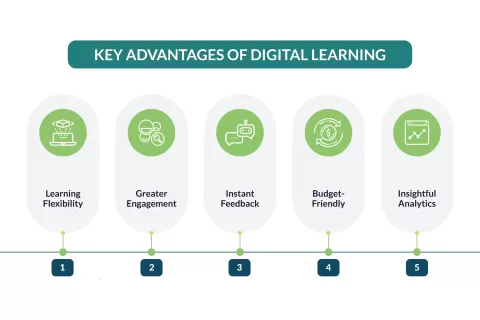
- Learning Flexibility: Students can learn when and how they prefer.
- Greater Engagement: Interactive and multimedia elements keep lessons interesting.
- Instant Feedback: Teachers can identify challenges early and adjust their approach.
- Budget-Friendly: Reduces reliance on printed materials and physical infrastructure.
- Insightful Analytics: LMS platforms provide data that helps refine educational strategies.
Addressing the Challenges of Digital Learning
Of course, like any change, digital learning comes with its own set of challenges:
- Access Issues: Not all learners have internet access or digital devices.
- Training Needs: Teachers may require support to adapt to new technologies.
- Maintaining Interest: Encouraging student motivation in a virtual environment can be difficult.
Solving these challenges calls for collaboration between educators, policymakers, and EdTech developers.
Looking Ahead: What’s Next in EdTech?
The integration of cutting-edge technologies like virtual reality (VR), augmented reality (AR), and artificial intelligence (AI) is taking digital learning to the next level. These tools provide immersive experiences and intelligent feedback that enhance both teaching and learning.
To keep up with the times, schools need to stay flexible and willing to explore new tools and teaching methods. In doing so, they prepare students not just academically but also for the digital world beyond school walls.
Final Thoughts: The Value of Digital Learning Solutions
Digital learning solutions are more than just tools—they represent a shift in how education is delivered and experienced. With the help of Learning Management Systems and remote learning solutions, schools can offer more inclusive, engaging, and efficient learning experiences.
By embracing these technologies, educators can meet students where they are and equip them for future success.
The EdTech revolution is here, and it's paving the way for a more connected, empowered, and learner-centered educational system.
Relevant Articles

Enablers

Discover improved customer experience, productivity, and ROI.


Scalable, secure, and agile cloud infrastructure is taking the industry by storm.

Envisage a steady stream of insights through transparent, accessible data.