NIH CIO-SP3 SMALL BUSINESS OVERVIEW

NIH CIO-SP3 SMALL BUSINESS

Sponsored by the US Department of Health and Human Services (HHS), National Institutes of Health (NIH) Information Technology Acquisition and Assessment Center (NITAAC), the Chief Information Officer – Solutions and Partners 3 (CIO-SP3) Small Business (SB) contract is a ten (10) year Indefinite Delivery/Indefinite Quantity (IDIQ) Government-wide Acquisition Contract (GWAC) for small businesses.

[Webinar] Strategic and Tactical Enablers for Achieving Digital Transformation

Radiant CEO Dr. Shankar Rachakonda was honored to deliver the keynote presentation at the Federal Digital Transformation Conference in April 2021. His 45-minute presentation offered a tactical view of digital transformation and was one of the highlights of the virtual conference.

How we earn success

Radiant uses four guiding principles when it comes to supporting our customers on their journey toward digital transformation.

Radiant knows that maintaining a competitive edge it is not only about connecting with customers in new and innovative ways, but also about continuously keeping them engaged.

When we consider customer needs, Radiant considers all stakeholders — executives driving strategy, employees executing work, and customers engaging.

Capturing Continuity of Knowledge Through Cognitive Task Analysis

Most of the work in the US today is mental labor as opposed to manual labor. As individuals get more skilled in their work and become experts, their value to your organization grows. Once an employee reaches relative expertise, their absence (or loss) becomes a significant detriment. But capturing their knowledge allows businesses to reduce the impact of absence substantially. However, effective knowledge capture is difficult because experts tend to have a high omission rate when attempting to detail and record their decision-making.

A Deeper Look at Design Consistency and its Influence on User Experience

Consistency is the most fragile design principle that influences user trust and familiarity with your UI design or product.

Improving consistency polishes the look and feel of your design. Additionally, it purges imperfections, unwanted content, or navigation flows that mislead the user.

Design consistency drives coherence and creates a harmonious uniformity among discrete UI elements. Consistency is fundamental for a good UX because it creates an experience that users can rely upon every time they interact with your brand or product.

Eight Essential Qualities that Help You Grow as a UX Designer

UX Designing is an area that needs creativity, flexibility (in thought and action), and a data-driven approach. It’s an area of art and science that includes interpersonal and functional roles.

It requires more than the mastery of some useful wireframing tools, interaction design, visual information architecture, visual design, and human-computer interaction. UX design is all about a user-centric approach and excellent problem-solving skills.

Why Data Privacy Matters - An Inside Look

As the world becomes more digitized, billions of internet users provide personal information or sensitive data like credit card details online. Though some online businesses provide a secure channel on their websites for transactions, data privacy issues are still enormous. This is causing unprecedented privacy incidents and inconveniences.

The darker side of not handling privacy thoughtfully includes data loss, identity theft, personal information misuse, cyber threats, and significant financial losses.

Digital Twin - Converging the Virtual and Physical worlds to Accelerate Transformational Innovation

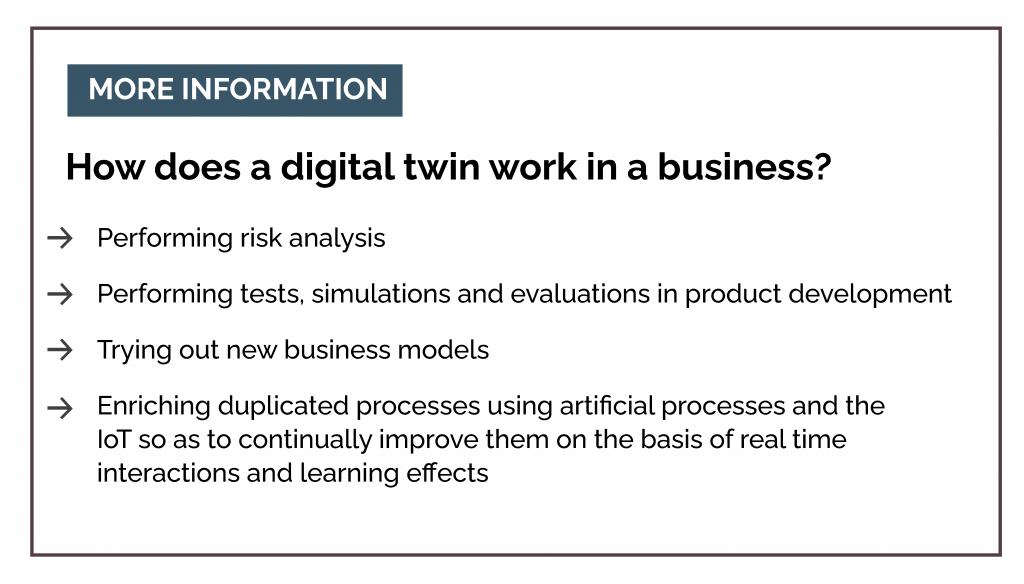
If minimizing failures, shortening development cycles, and smoothening the product development cycle are your paramount goals, then Digital Twin adoption should be your top priority. Digital Twin offers visibility on your production line and helps predict the future of various processes. It essentially helps maximize OEE, optimize productivity, and improve business profitability. In other words, Digital Twin empowers engineers to analyze, explore, and assess physical assets, processes, and systems using virtual tools.
Building Block of Digital Twin

Digital twin needs data, algorithms, sensors, and a data access framework. This is called a digital thread that runs through the data network, establishing links and correlations. The digital thread ensures that all the process components can access the latest sensor data in a product lifecycle (sample shown below).
Wrapping up

Digital Twin can integrate system insights, improve visibility on machine states, and trigger appropriate remedial business workflows. Embracing this potentially disruptive technology now can help businesses remain relevant, competitive, and digitally transformed. Radiant is playing a key role in advancing this new technology!

Subscribe to Federal